Broadfork: What Is It & Why You Really Need It
If you haven't yet discovered the broadfork, you may be surprised to learn that garden work can bring pleasure — not just aches and pains.
Appearance and Benefits
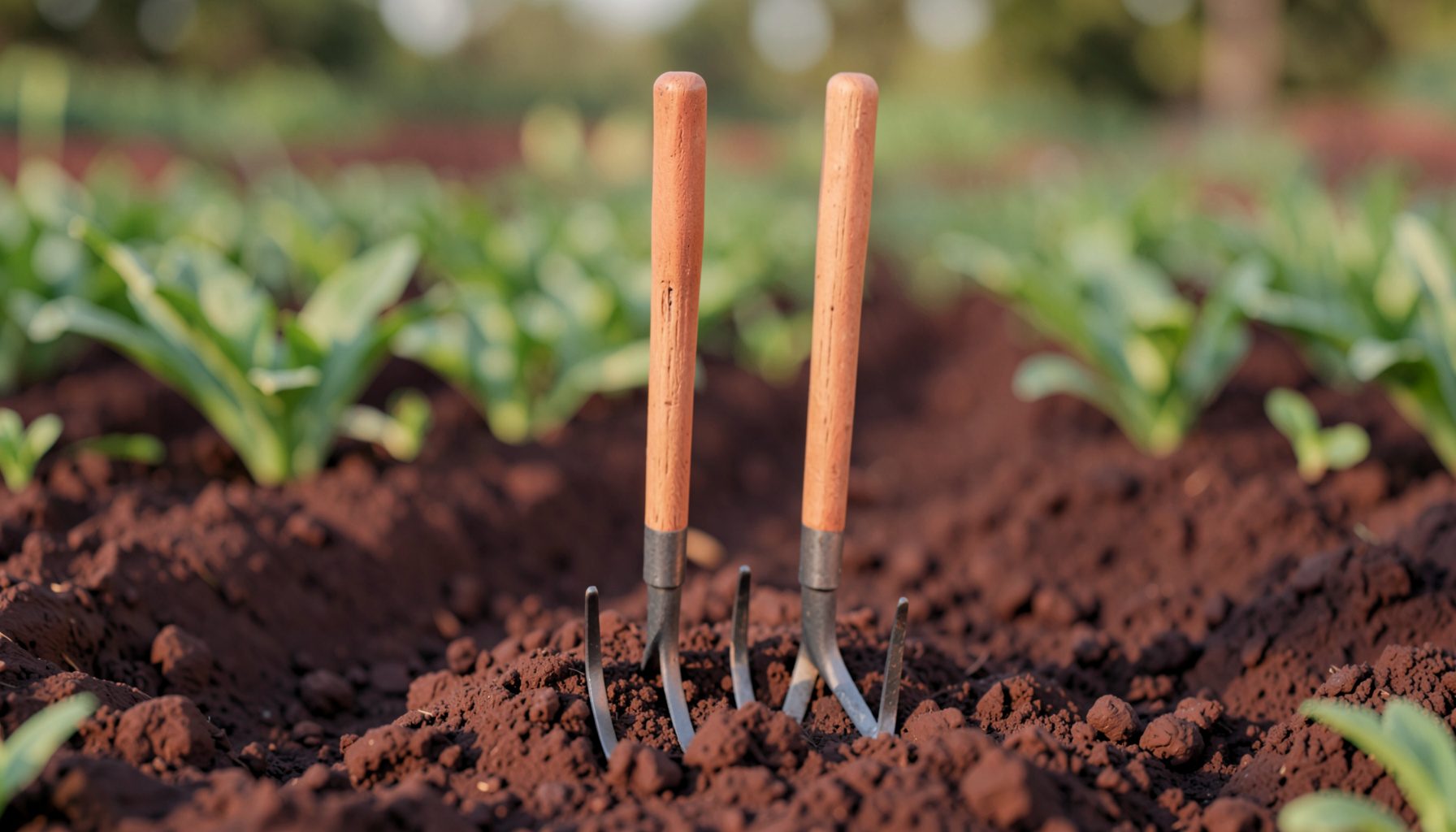
A broadfork is an elongated fork equipped with double long handles. Unlike a standard garden fork, its wide span and deep tines let you loosen and aerate soil without turning it over — preserving the natural soil structure and beneficial microorganisms that plants depend on.
Recently, there has been a real surge of interest in rationalizing garden hand tools. Inventors and manufacturers alike have been revisiting older designs that never quite found their moment — and the broadfork is one of the standout examples. Its simple, sturdy construction makes it a lasting addition to any gardener's shed.
Operation Process
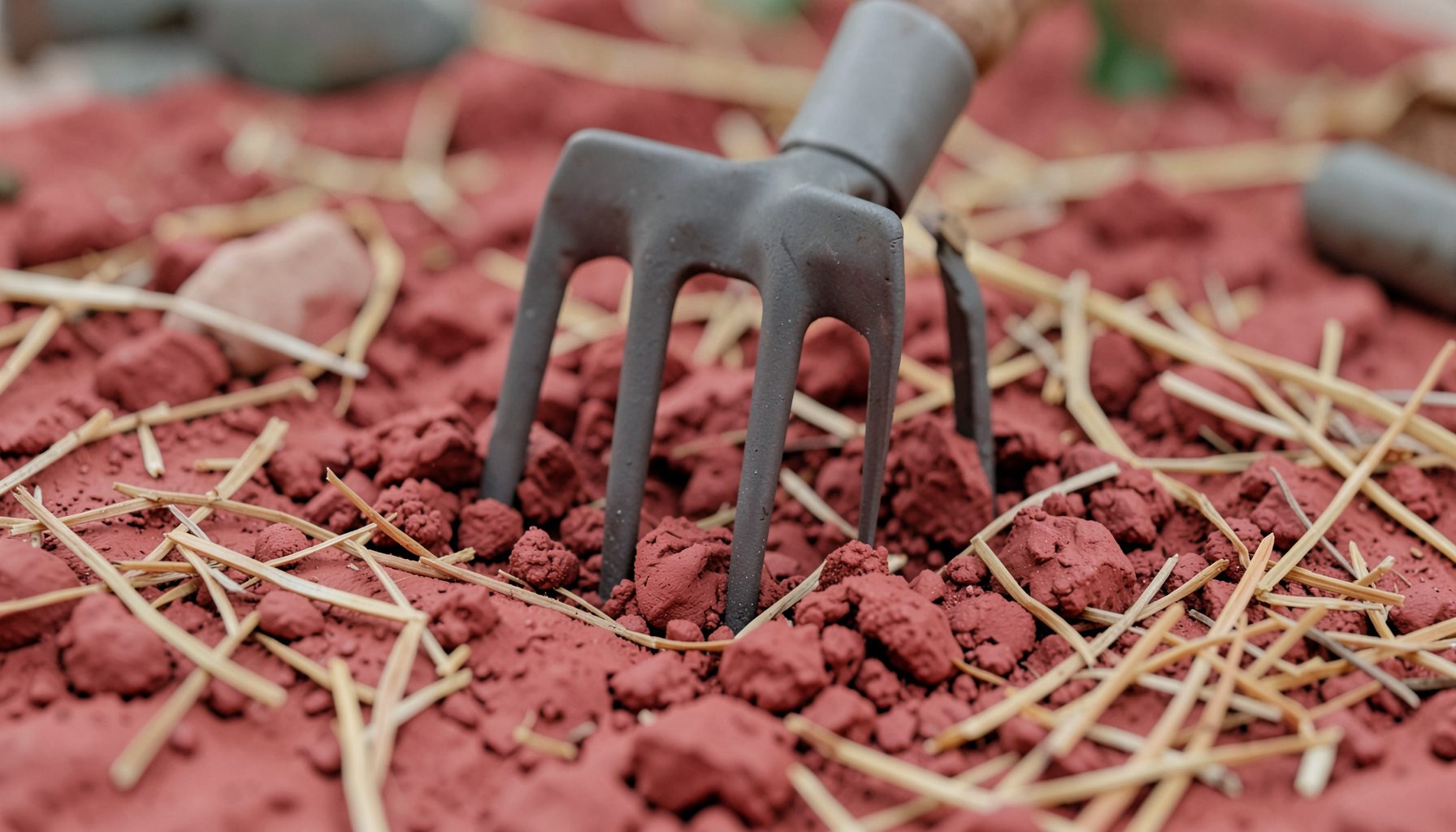
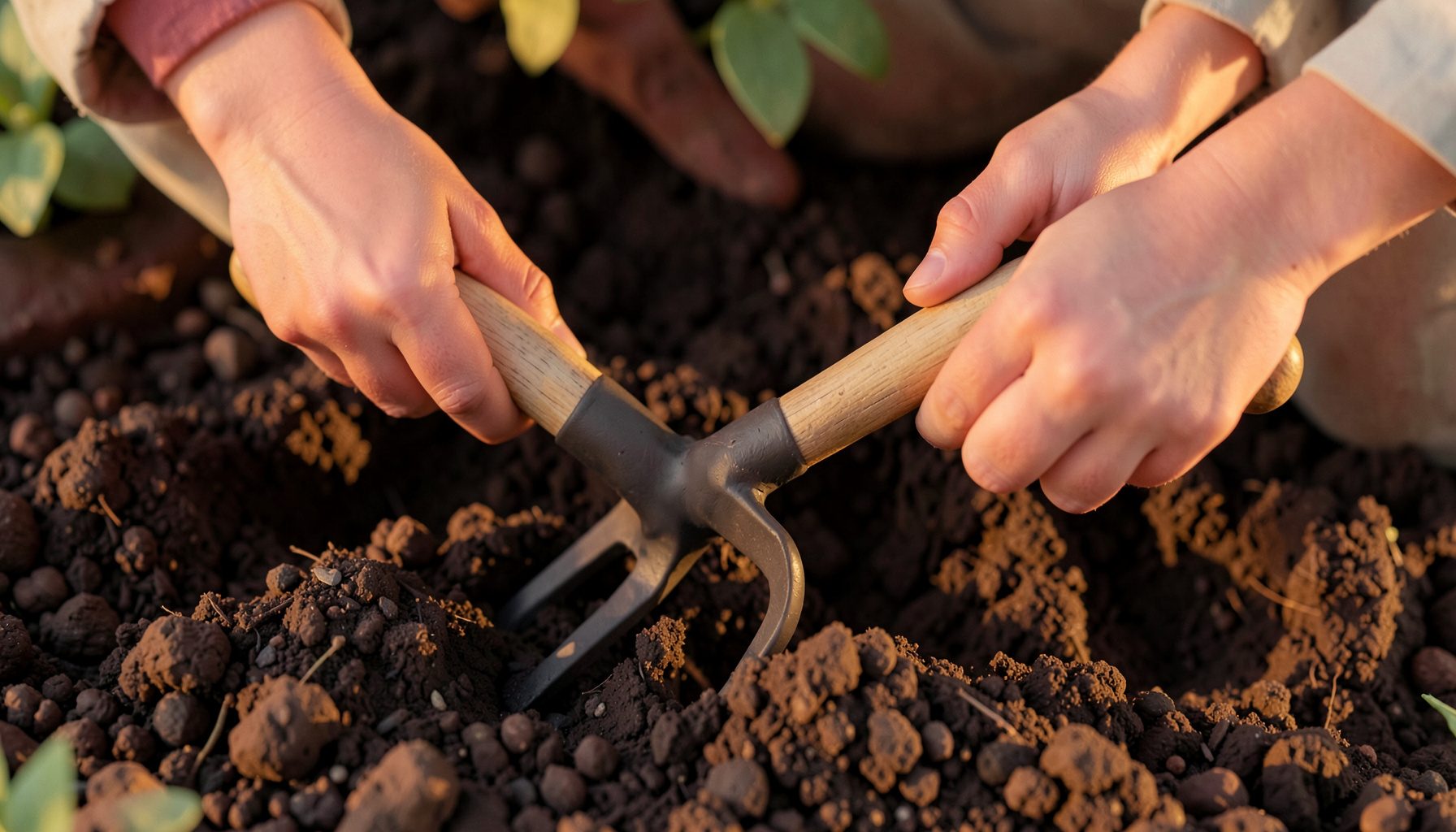
Using a broadfork is straightforward. You step onto the crossbar to drive the tines into the soil, then pull back on the long handles — using leverage rather than brute strength. The tines lift and fracture the soil beneath the surface while leaving the top layers largely undisturbed.
This method is far less taxing on the back than traditional digging or rototilling. Because you work from a standing position and let the tool's geometry do the heavy lifting, you can cover a sizable garden bed in a fraction of the time it would take with a spade.
Efficiency
The broadfork shines when it comes to efficiency. By aerating deep into the soil profile without inverting it, you reduce weed-seed exposure and maintain the layered ecosystem that healthy soil requires. Many gardeners report that a single pass with a broadfork in early spring sets the stage for an entire growing season.
Compared to motorized tillers, the broadfork uses no fuel, makes no noise, and requires virtually no maintenance. For small to medium-sized plots, it often proves the faster and more satisfying choice — and it keeps you connected to the rhythm of the garden in a way that power equipment simply cannot match.
When choosing a garden tiller, many gardeners find themselves weighing the benefits of manual versus powered options. Manual tillers, including broadforks and hand cultivators, offer a quieter, more environmentally friendly approach to soil preparation. They require no fuel, produce no emissions, and provide a solid workout while working the earth. For those with smaller plots or raised beds, a manual tiller can be more than sufficient to break up compacted soil and mix in amendments. The absence of a motor also means less maintenance over time and a tool that can last for decades with proper care. Understanding your garden's size and soil type is the first step in selecting the right tool for the job.
A broadfork stands out among manual tillers for its unique design and ergonomic benefits. Its long handles and wide tine span allow you to stand upright while working, reducing strain on your back and knees compared to traditional digging methods. The action involves stepping onto the crossbar to drive the tines deep into the soil, then gently rocking the handles back to loosen the earth. This process aerates the ground without inverting soil layers, which helps preserve the beneficial organisms living within. Many gardeners report that switching to a broadfork transformed their gardening experience, making soil preparation a more enjoyable and less physically punishing task.
Reading reviews before purchasing a garden tiller can save time, money, and frustration. Experienced gardeners often share insights about tine durability, handle comfort, and overall build quality that you won't find in product descriptions. Pay attention to feedback about how well a tiller performs in different soil conditions, from sandy loam to heavy clay. Some models excel at breaking new ground, while others are better suited for maintaining already established beds. The best manual tiller for your garden depends on your specific needs, including the size of your growing area, your physical strength, and the type of crops you plan to grow. Taking the time to research thoroughly pays off in the long run.