Top Rated Manual Tillers
Our curated reviews of the best manual garden tillers, originally published in 2019. Find the right hand-powered cultivator for your soil.
2019 Manual Tiller Reviews
Below are our top picks from 2019. Each model was evaluated for build quality, ease of use, and effectiveness in breaking up compacted soil.
Garden Weasel Cultivator
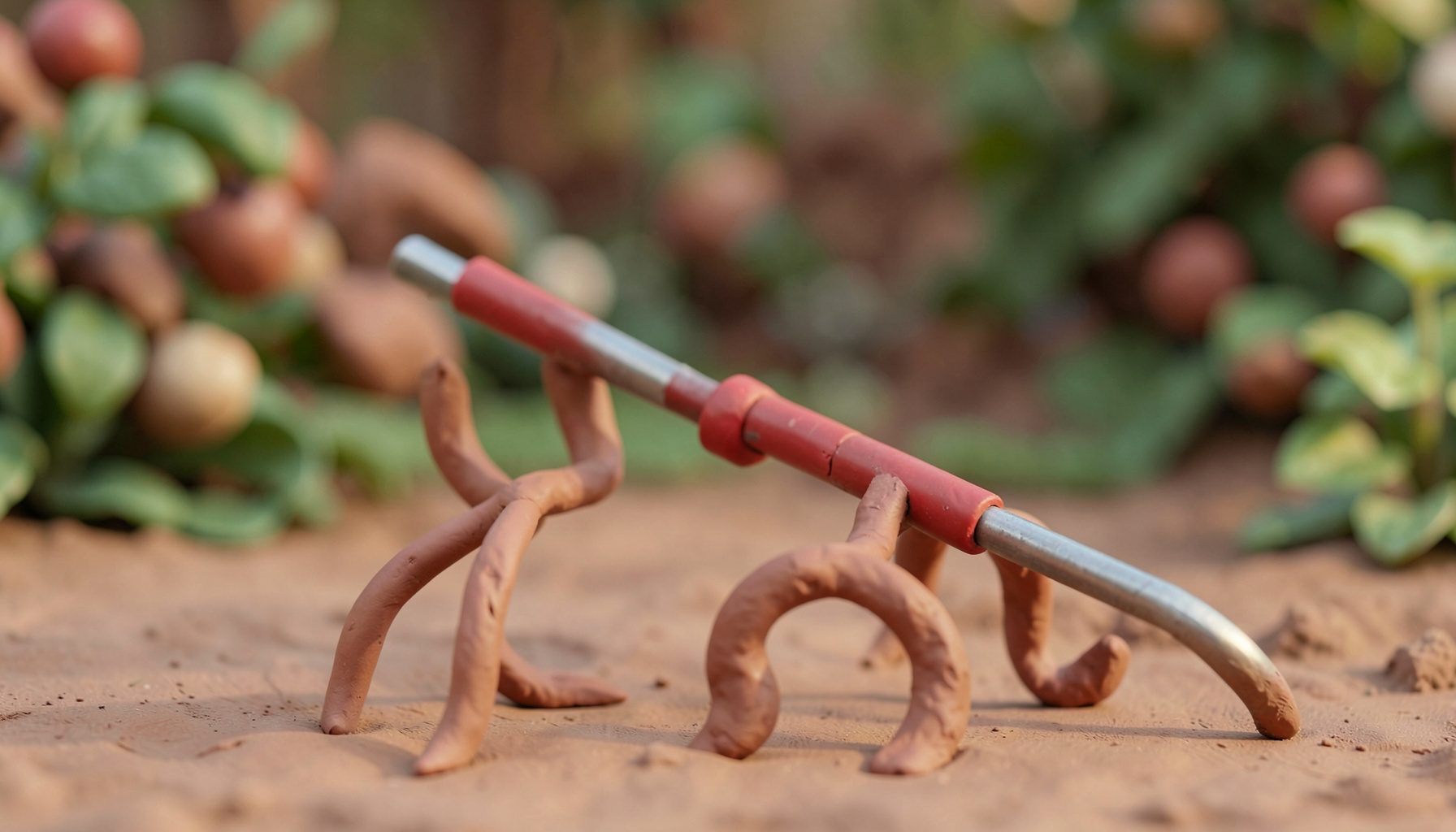
A lightweight twist-action tiller with interlocking tines. Ideal for raised beds and small plots where maneuverability matters.
View on Amazon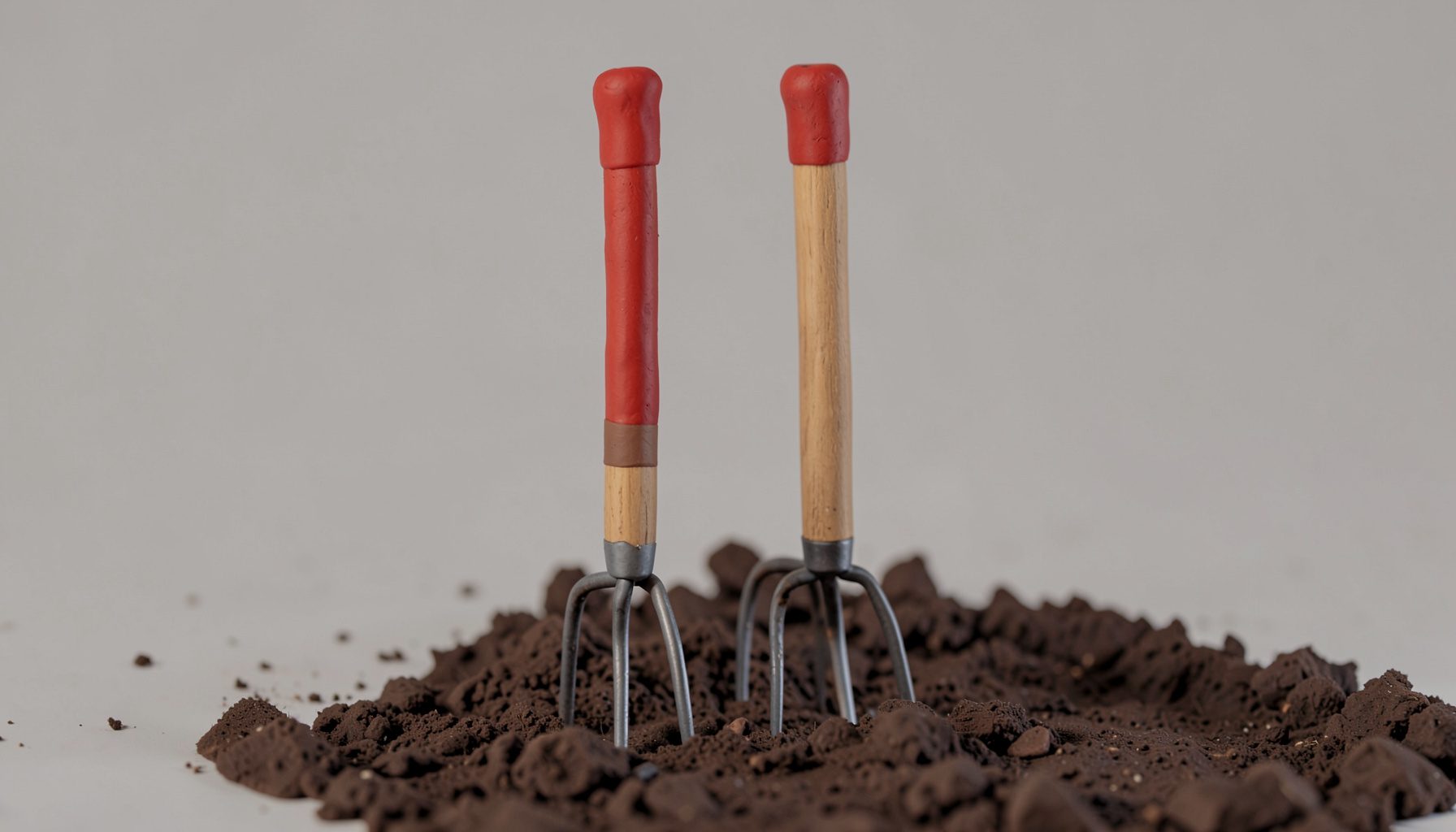
Meadow Creature Broadfork
A heavy-duty broadfork built for deep soil aeration. Long ash handles and robust tines make it a favorite among no-till gardeners.
View on Amazon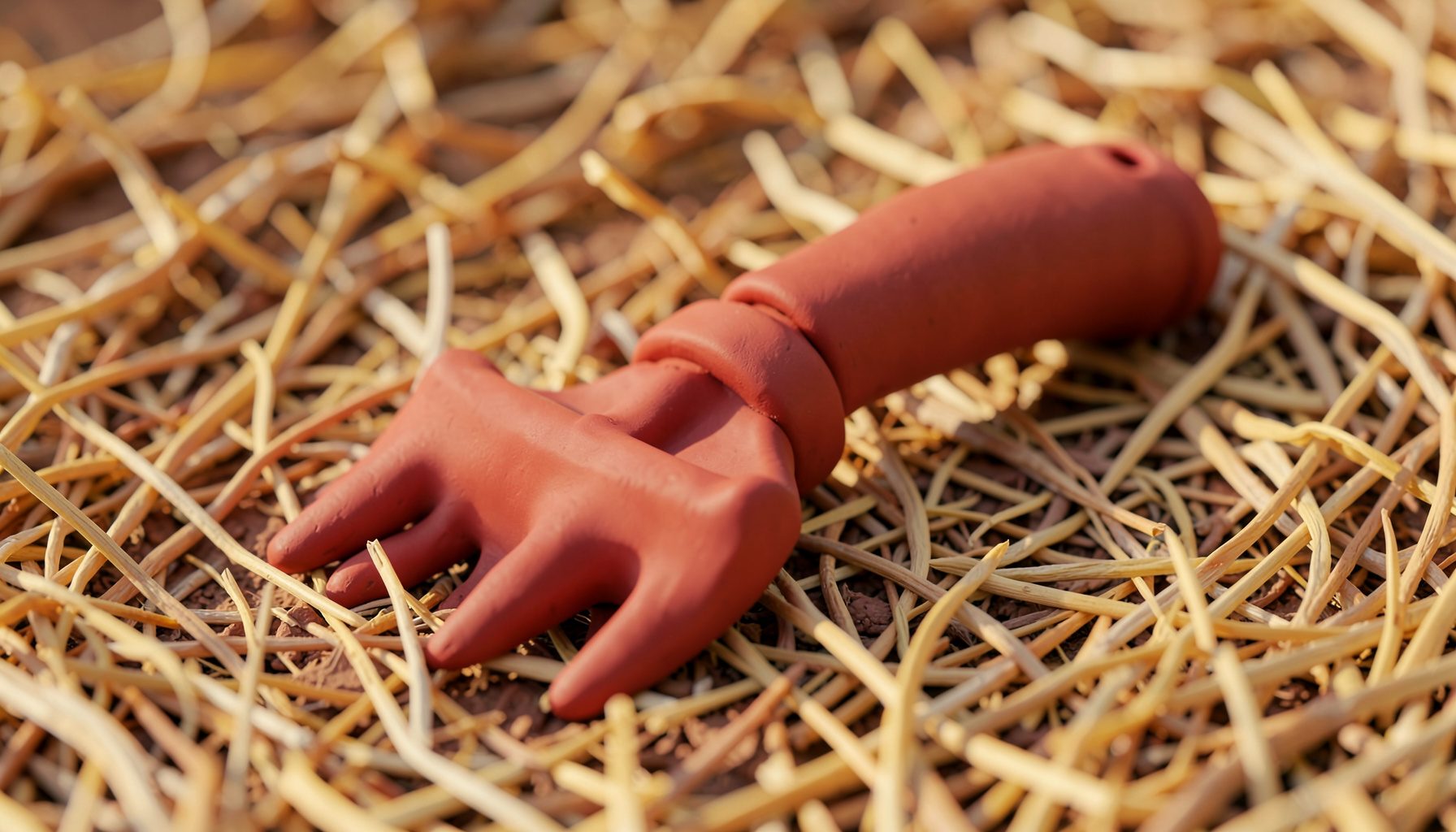
Fiskars Hand Cultivator
A compact three-prong cultivator with a comfortable grip. Great for weeding and surface-level soil work in tight spaces.
View on Amazon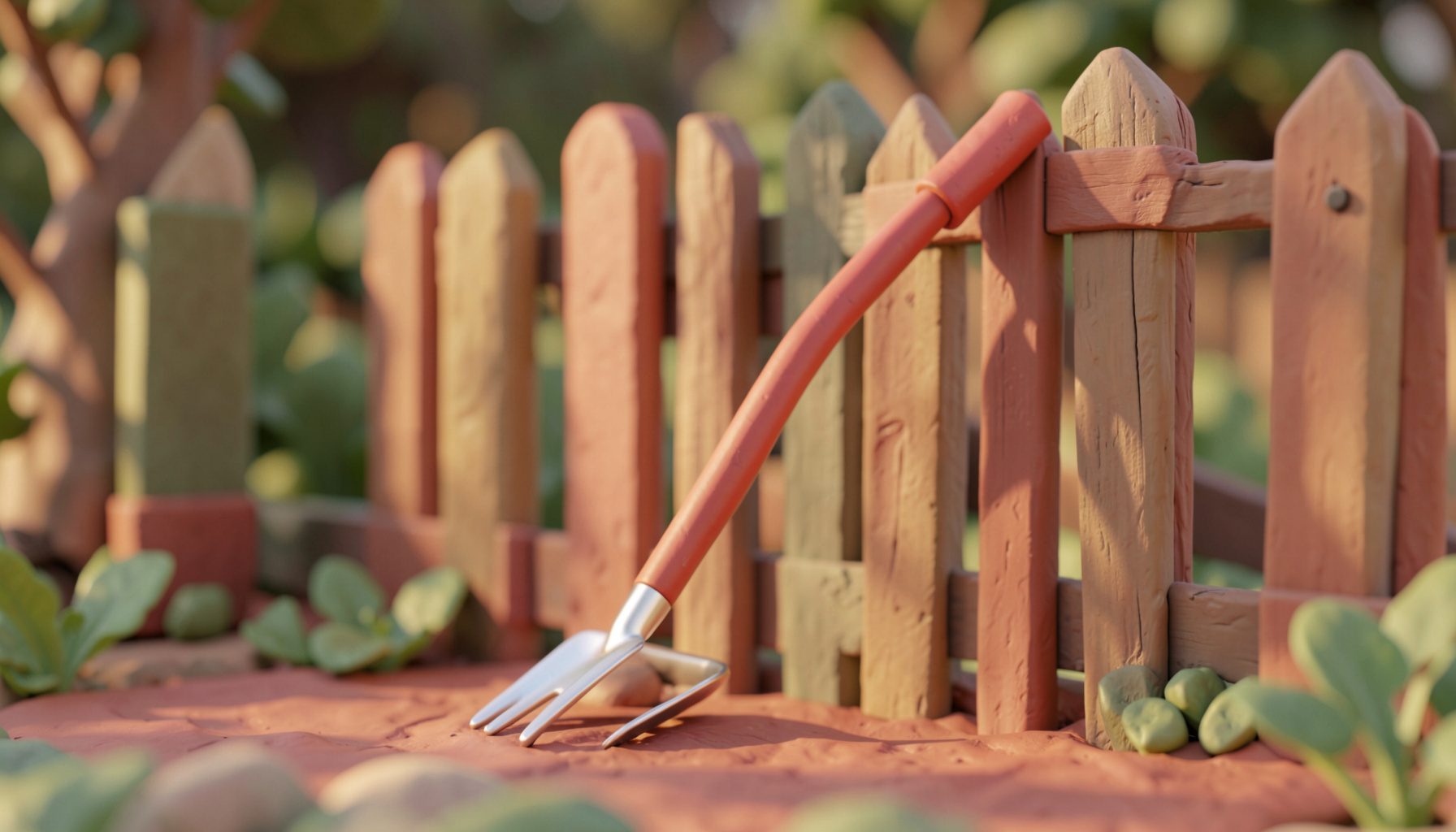
DeWit 4-Tine Cultivator
Forged in the Netherlands, this durable four-tine cultivator features a long handle for standing use and excellent leverage in heavier soils.
View on AmazonAffiliate Disclosure
Broadfork Tool is a participant in the Amazon Services LLC Associates Program, an affiliate advertising program designed to provide a means for sites to earn advertising fees by advertising and linking to amazon.com. As an Amazon Associate we earn from qualifying purchases.
When choosing a manual garden tiller, the primary advantage is the level of control it offers over soil preparation. Unlike gas-powered machines, hand-operated tillers allow you to work precisely around existing plants and delicate root systems without the risk of damaging them. The absence of an engine also means there is no noise to disturb the peace of your garden, and no fumes to compromise the organic integrity of your soil. Many gardeners find the rhythmic motion of working a broadfork or cultivator to be a meditative part of the gardening process, connecting them more deeply with the earth they are tending.
The build quality of a manual tiller is largely determined by the materials used in its construction. Tines forged from heat-treated steel maintain their sharpness and resist bending even when breaking up heavy clay or rocky soil. Handles made from durable hardwoods like ash or hickory offer a comfortable grip and absorb shock, while also being replaceable if they wear over time. A well-constructed tool will feature welded joints rather than bolted connections, as welding provides greater structural integrity under repeated stress. Investing in a tiller built with these quality considerations ensures that the tool will serve reliably for many growing seasons.
Proper technique when using a manual tiller can significantly reduce physical strain and improve results. For a broadfork, the most effective method involves standing on the crossbar to drive the tines deep into the soil, then leaning back to lever the handles, lifting and loosening the earth without turning it over. This process preserves the soil's natural layering and beneficial microbial life. For twist-action cultivators, a steady downward pressure combined with a rotating motion helps the tines penetrate compacted ground. Working the soil when it is slightly moist, rather than soaking wet or bone dry, yields the best results and requires less effort from the gardener.
Maintaining a manual tiller is straightforward and requires minimal effort, yet it greatly extends the tool's lifespan. After each use, soil and debris should be wiped or brushed from the tines to prevent rust from forming on the metal surfaces. A light coating of oil applied to the steel components before long-term storage provides additional protection against moisture. Wooden handles benefit from an annual sanding and application of linseed oil, which keeps the grain smooth and prevents splintering. Keeping the tool stored in a dry shed or covered area, rather than left outdoors, is the single most important step in preserving its condition. With these simple habits, a quality manual tiller can become a lifelong gardening companion.